 The top experienced left tackles in pro football, graded and ranked by the B/R Scouting Department. Rookies to be graded separately.Player photos: AP Images
40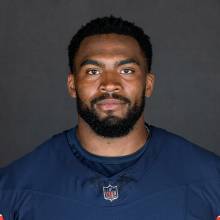 Braxton Jones54Grade
Jones started just four games in 2025 before an October knee injury ended his season, continuing a multi-year pattern of availability concerns after his 17-start rookie campaign. On the field, Jones trended toward a swing-tackle profile due to below-average range, recovery ability and pass-protection margin. He is not a fluid mover, and his lack of range shows up on an island, where wider alignments and speed threats can force him into early stress. His anchor is more adequate than firm, leaving him vulnerable to pocket compression when rushers can build power through his frame. Jones' best value still comes in the run game, where his size and natural play-strength allow him to cover up defenders and generate movement on down blocks, vertical doubles and downhill concepts. He is not a tackle a team wants exposed to a heavy diet of true dropback reps, but his frame, power and experience give him enough utility to function as a swing tackle or short-term stopgap.
39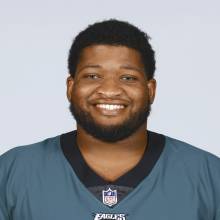 Fred Johnson55Grade
Johnson started eight games in 2025 then re-signed with the Eagles on a one-year deal after providing functional swing tackle play. Johnson is a massive, heavy-handed and high-cut tackle who has improved his patience, leverage and strike-timing under previous offensive line coach Jeff Stoutland. When balanced, the 29-year-old veteran can stay inside-out, land a stiff punch, widen rushers and force them to take the long route. However, middling movement skills and lower-half stiffness leave him slow to redirect and vulnerable to being manipulated out of position on an island. In the run game, Johnson can cover up and wash down targets on angle-drive blocks, but he plays high and gets out-leveraged against movement across his face. He remains a useful spot starter but not a primary solution.
38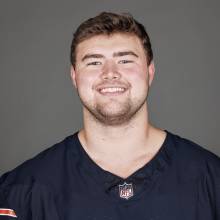 Ozzy Trapilo55Grade
Trapilo appeared at right tackle in one game and worked as a sixth lineman over the first 11 weeks of his rookie season before starting six games at left tackle and rupturing his patellar tendon during his first postseason appearance. Trapilo looked most comfortable in his lone appearance on the right side, while his left tackle tape was predictably uneven. He repeatedly floated past his spot in protection, swung open his hips, redirected late and allowed rushers to pry open his inside shoulder. Chicago mitigated some of these issues with extensive schemed help, but his mediocre movement skills were still easy to manipulate. In the run game, Trapilo is serviceable on combination blocks, using his size and solid hand placement to cover up and wash down targets, but below average foot quickness and high pad level limited his backside cut-off range and sustain when isolated.
37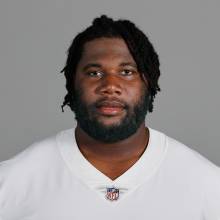 Nate Thomas56Grade
Thomas made four starts at left tackle during his second professional season, while also seeing spot duty at right tackle. He displayed intriguing physical traits but unreliable execution. Thomas is a big, stout tackle with heavy hands and good in-line power, allowing him to uproot defenders when he catches them on his track during double-team feeds, angle-drive blocks and climbs. He also presents enough build-up speed to lead around the edge and help secure perimeter lanes. His technique remains robotic and raw, though. Thomas will drop his eyes at the point of attack when the picture changes, cross his feet when expanding against high-side rushes and lose cleanly when forced into recovery mode. His worst reps are glaring enough to keep him below everyday-starter level. After missing his entire rookie season with a knee injury and entering the league as an inexperienced lineman, his power profile does leave room for development.
36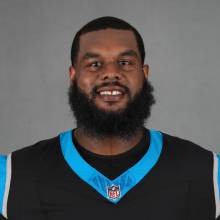 Rasheed Walker56Grade
Walker already outperformed his seventh-round draft slot with extensive starting experience, including 48 starts over the last three seasons. However, his profile remains closer to a low-end starter or high-end swing tackle than a foundational blindside protector. The Green Bay Packers' condensed formations, tight-end alignments, chips and play-action-oriented structure helped manage his exposure, reducing the number of true island reps where his leverage and anchor limitations were likely to show. Walker has the size, natural strength and grip strength to control reps when he lands first meaningful contact, but his strike-timing and placement are inconsistent. He often plays upright with late, high hands, which exposes his chest, compromises his anchor and allows power to compress the pocket. In the run game, he brings physicality and strain, but inconsistent pad level and hand-placement limit how often he can generate and sustain movement at the point of attack. Walker's availability and experience give him value, especially in the right structure, but the technical volatility and pass-protection ceiling keep him below the dependable-starter tier.
35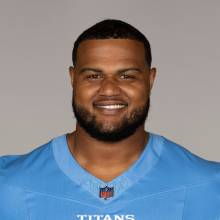 Dan Moore Jr.56Grade
Moore maintained his durability during his first season in Tennessee, but his on-field performance took a step back from his career-best 2024 campaign. The change in environment mattered. Moore saw a heavier pass-protection workload, less play-action support and a rookie quarterback in Cam Ward who struggled to prevent pressures from turning into sacks. Still, Moore's individual pass-protection issues were clear. His anchor was subpar against speed-to-power, and erratic footwork in his sets created routine oversets, soft inside access and quick losses. His strike-timing and hand placement also regressed, shrinking his margin for error against higher-end competition. In the run game, Moore remained a functional placement blocker with enough movement skill to track smaller targets and execute on the move, but he did not provide enough displacement or physical control to offset the pass-protection leakage. Moore's durability and prior baseline leave some room for a rebound season under a new staff, but his 2025 tape places him closer to a low-end starter than the solid mid-tier profile he previously showed.
34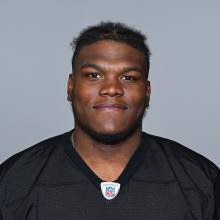 Broderick Jones57Grade
Jones showed modest improvement in 2025 before a severe neck injury ended his season and created significant uncertainty entering the 2026 campaign. His pass protection was more controlled than prior seasons, but much of the perceived improvement was aided by Aaron Rodgers' quick trigger and Pittsburgh's heavy use of 12/13 personnel to build in help. Jones remains a solid mover with pop in his hands, but his technique remains too erratic. He will duck his head, throw his hands into contact and open quick access across his face, while his run-game sustain is inconsistent once defenders survive initial contact. The injury setback, declined fifth-year option and addition of Max Iheanachor all reflect the volatility of his status. Jones still has starter-level traits, but his current profile is an inconsistent, guardrail-dependent tackle with major health and reliability concerns.
33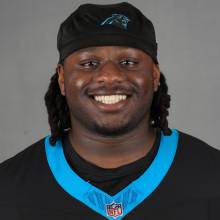 Ikem Ekwonu57Grade
Ekwonu started 15 games last season before suffering a ruptured patellar tendon during the Panthers' Wild Card loss. The injury clouds his availability for 2026 and explains the Panthers' offseason additions of Rasheed Walker and first-round pick Monroe Freeling. Even before the injury, Ekwonu's play remained too inconsistent to lock him in as a long-term answer at left tackle. His pass protection was undermined by erratic set lines, uneven positional leverage, late strike-timing and balance issues, leading to too many quick losses on the high side, through the middle and inside against counters. He has the raw power and stiff punch to jolt rushers when everything lines up properly, but he has not consistently found the landmarks or timing needed to control reps. In the run game, Ekwonu's power shows up more clearly, with the ability to generate force, dent defenders and jar linebackers upon arrival. Sustainability remains an issue. His pads rise, his balance leaks and defenders who survive his initial power can slip, push-pull or work off his frame. Ekwonu now faces a long recovery without the recent film quality to guarantee a starting job when he returns to the field.
32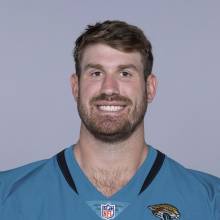 Walker Little57Grade
Little started 14 games in 2025 and opened the year as Jacksonville's left tackle before a Week 13 concussion allowed Cole Van Lanen to seize the job. Little returned in Week 16 and moved to right guard after Patrick Mekari's back injury, then moved back to left tackle in Jacksonville's Wild Card contest after Van Lanen went down. Little's value is built on adequacy across multiple spots than a true starter's trump card. He has enough size, play-strength and quickness to withstand power, cover up targets in the run game and intersect on the move. Although, his below-average range and inconsistent set expansion leave him stressed against wide rush alignments. He is not an overwhelming blocker and lacks the recovery profile to trust as an everyday left tackle. Even so, his versatility and baseline tools make him one of the league's better swing linemen.
31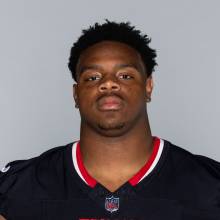 Aireontae Ersery58Grade
Ersery started 16 games as a rookie with uneven results, flashing enough size, power and physicality to project growth, while still looking like a tackle who needs protection structure to function cleanly. His dense build, heavy hands and competitive demeanor showed up when his timing and placement were right, allowing him to anchor on command, jolt rushers and create movement in the run game. He also offered useful bursts on the move, particularly leading around the edge and clearing lanes off his backside. The problem stemmed from instability when isolated. Ersery's erratic footwork, inconsistent strike-timing and shaky contact balance led to glaring losses against both speed and power, especially versus quality edge-rushing competition. Houston's extensive schematic help in the playoffs—chips, tighter formations and more confined pass-protection environments—provided the clearest template for how to maximize him early. Ersery has the mass, play-strength and temperament to emerge as a functional starter, but his hand usage and recovery profile must improve before he can be trusted on a heavy diet of true island reps.
30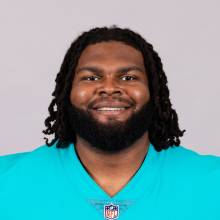 Jamaree Salyer59Grade
Salyer started five games in 2025, splitting time between left tackle and right guard for an injury-decimated Los Angeles Chargers line before signing a free-agent deal with the Dolphins. Salyer is a shorter tackle with solid length, tremendous mass and crafty hand usage, allowing him to keep defenders in front of him and mitigate below-average redirect and recovery skills. His controlled footwork, independent hands and understanding of angles help him maximize his frame in protection, though quicker rushers can still stress him when forced into sudden recovery. In the run game, Salyer can move people when working linearly and catching defenders on his track. However, he lacks the short-area quickness to consistently sustain when the picture changes post-snap. His toolkit and positional flexibility give him functional value as a quality swing backup with low-end starter capability.
29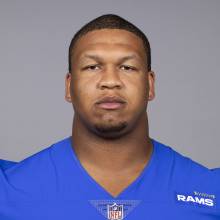 Alaric Jackson60Grade
Jackson established himself as a functional starter inside the Rams' ultra-friendly offensive structure, which limits true dropback exposure through heavy play-action usage and Matthew Stafford's quick trigger. Jackson is a wide, heavy-bodied and sawed-off tackle with below-average movement skills. Still, he has enough play-strength and craft to survive when the rep stays on his terms. In pass protection, he wins with a stiff punch to halt rushers, clamp into their frame and disrupt timing, especially off play-action or when mixing in changeups such as his vertical-to-jump set. Those tools mitigate his tendency to drift and float off his spot when threatened with speed, which can open a soft inside shoulder and leave him vulnerable across his face. In the run game, Jackson is sturdy enough to shore up lanes on doubles and down blocks, but his body control and space ability are limited. He can overextend or lose quickly on kickouts and second-level blocks when forced to navigate movement. Jackson's size, punch and play-strength give him functional starter value, though the movement limitations and reliance on environment keep the ceiling firmly capped.
28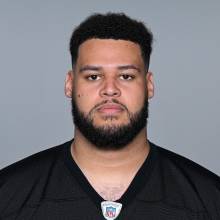 Dylan Cook61Grade
Cook saw his first extended NFL action in 2025 and filled in admirably after taking over as Pittsburgh's left tackle in Week 15. A former '22 undrafted free agent, Cook showed better pass-protection feel than expected, especially with his positional leverage, strike-timing and ability to use a snatch-trap technique for clean wins. He is sturdily built with solid movement skills and enough pop to create jolt when his hands land on time. Limitations show up more in the run game, where he can lean into contact, lose balance when the picture changes post-snap and get shed before sustaining. He did show value on combinations, overtakes and widening lanes once latched. Cook's five-start stretch gives him legitimate swing-tackle value, though the profile still reads more like a quality reserve than a stable starter.
27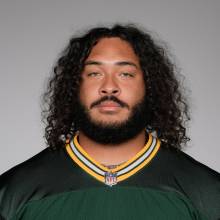 Jordan Morgan62Grade
Morgan started 12 games in 2025, primarily at right guard as part of a rotation, while also logging snaps at both tackle spots. That constant movement in and out of the lineup has slowed his development. Now, he is expected to get the first crack to start at left tackle in 2026 despite barely playing there through two NFL seasons. Morgan is a stoutly built blocker with heavy hands, good play-strength and a solid anchor when his hand placement and positional leverage are synced. He can root his feet and command the point of attack, but his rigid movement skills and below-average recovery leave him vulnerable when forced to redirect or work from compromised positions. There have also been scattered mental errors against delayed loopers, overloaded blitzes and exotic looks, though some of that likely stems from never settling at one spot. A full offseason at left tackle inside Green Bay's run-first, play-action structure gives him a better developmental runway, but the projection remains unsettled.
26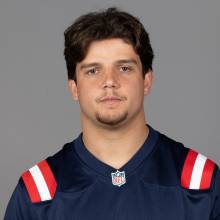 Will Campbell62Grade
Campbell settled in as a functional pass-protector and quality run-blocker as a rookie, with his best work coming before a Week 12 MCL sprain compromised his play-strength and movement skills. When healthy, his game is built on toughness, contact balance and enough athletic ability to execute in a run-oriented structure. He plays with a hard-nosed temperament and is at his best covering up defenders, fitting into blocks and creating movement through sustained strain rather than overwhelming displacement. His pass-protection ceiling remains the concern, though. Campbell's narrow frame gives rushers relatively clean access to his edges, making it harder for him to consistently protect half-man relationships or widen the arc without help. His profile can be managed with scheme guardrails, but it leaves him more functional than high-end when it comes to protection. His run-game reliability provides a starter-level floor, but the body-type and edge softness likely cap him closer to a middle-tier tackle unless his hand usage and set variation improve.
25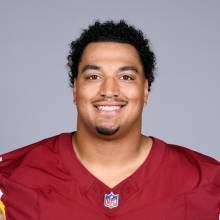 Brandon Coleman64Grade
Coleman started five games in 2025, opening the year at left guard before being benched after Week 2 due to persistent pass-protection issues. Eventually, he filled in for Laremy Tunsil with three starts at left tackle and sizable chunks of two other games. Coleman has looked much more comfortable at tackle dating back to his collegiate days. A lack of opportunity is the issue in Washington, with Tunsil entrenched and Coleman competing with Chris Paul for left guard reps. The TCU product is a wide-bodied blocker with very good mass, length and athletic ability, giving him the tools to weaponize his reach, establish first meaningful contact, stay attached once latched and create movement in the run game. He is currently miscast. Though Washington's under-center, play-action-centric structure could help him gain some level of comfort when working inside if guard remains his path toward gaining meaningful snaps.
24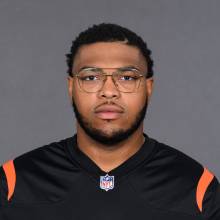 Orlando Brown Jr.66Grade
Brown rebounded in 2025 after a broken fibula limited him to 11 starts during the previous season, starting all 17 games and re-establishing himself as a durable, functional left tackle. Brown's game is built on size, length, snap-timing and veteran craft rather than range or recovery athleticism. In pass protection, he wins by staying square, protecting his inside shoulder and using his mass to create a long, difficult path through his frame. He does a good job establishing first meaningful contact, forcing rushers to work around his length and anchoring well enough to absorb power when his hands arrive on time. The limitations remain clear. Brown lacks high-end foot speed and range, which creates short corners and slower high-side losses against top rushers who can stress his edge. His run blocking is more about size, positioning and occupying space than consistent movement creation. Brown's profile is capped, but his length, mass, anchor and ability to lose slowly make him a solid low-variance starter when healthy.
23 Tyler Guyton67Grade
Guyton started 11 games as a rookie and 10 last season, with injuries keeping him out of practice and slowing much-needed developmental reps. Guyton entered the league as a one-year starter with high-end physical tools and a raw skill set, which remains largely where he sits entering Year 3. He has a prototypical frame, build and athletic ability. As a result, he displays good natural power, flashing as a twitched-up, physical blocker who can clear the pocket when uncovered, dent down linemen on double-team feeds and engulf rushers once latched. He has also started incorporating changeup sets, including three-step short, to disrupt rushers' timing. Though his posture, balance, footwork and hand usage remain volatile, especially against counters or post-snap movement in the run game. His ceiling remains considerable, but he needs sustained health and reps to refine his technique.
22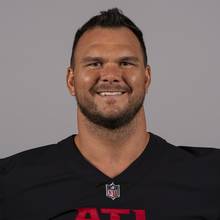 Jake Matthews68Grade
Matthews extended his remarkable consecutive-start streak to 196 games in 2025, remaining the NFL's premier ironman regardless of position. His value remains rooted in reliability, technical competence and a run-game profile that fits best in zone-heavy structures. Matthews is a sound zone-blocker with efficient footwork, clean positioning and enough strain to stay attached, steer and finish when he reaches his landmarks on time. In pass protection, he remains functional, but the anchor has become the clear limiting factor. Power-rushers can compress him into the pocket. The issue has been more exposed over the last two seasons as Atlanta moved away from the top-five play-action rates that previously helped reduce true dropback stress. Matthews can still survive with timing, angles and experience, but he is more dependent on structure than the higher-end left tackles. His durability and week-to-week steadiness carry value beyond what the trait scores fully capture, but the current profile is a reliable, system-sensitive starter rather than a high-end blindside protector.
21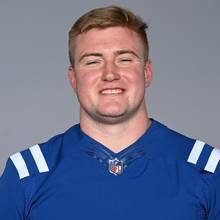 Bernhard Raimann69Grade
Raimann started 16 games in 2025 and remained a solid all-around left tackle, though his pass protection was not as clean as his '24 form. Raimann's game is built on movement skills, body control and strain. In the run game, he is a sticky blocker who can reach landmarks, wash down targets on backside cutoffs and overtakes, and intersect linebackers on climbs before steering defenders away from the ball once latched. In pass protection, his lighter, sawed-off frame still creates softer edges, and his snap timing and positional leverage were less consistent last season, leading to more short corners and oversets than he allowed at his best. He still has useful answers with his circle-punch and double-under technique, allowing him to create leverage, play longer than his frame suggests and keep rushers at his fingertips when his timing is right. Raimann's athleticism, toughness and sustain skills keep him in the dependable starter range, but the pass-protection variance and modest anchor cap him below the high-end left tackle tier.
20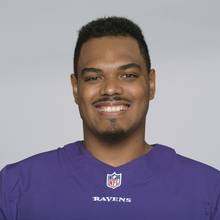 Ronnie Stanley70Grade
Stanley has stabilized his career after the severe ankle injury that once threatened to push him out of the league's dependable starter tier. After rebuilding his mobility, strength and availability over multiple seasons, he started 16 games in 2025 and again looked like a functional, above-average left tackle rather than the compromised version he battled through earlier in his comeback. Stanley's value remains anchored in pass protection, where his elite length, calm footwork and positional awareness allow him to cover rushers without overextending. He is primarily a two-hand striker, which gives him a clean way to establish early control but also introduces variance when rushers beat his timing or capture the edge before he resets. His play-strength and anchor are no longer at his pre-injury peak, and his run-game impact is more positional than forceful. Still, Stanley's length, experience and set mechanics give Baltimore a steady blindside presence who can function in true pass sets, even if the margin for error is thinner than it was during his All-Pro peak.
19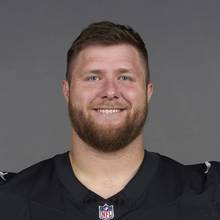 Kolton Miller70Grade
Miller started only four games in 2025 before a Week 4 high-ankle sprain and hairline fracture in his right ankle ended his season. The limited sample size makes this more of a health-discounted evaluation than a clean full-year reset, especially given Miller's prior track record as a quality left tackle. When right, Miller wins with size, length, functional athletic ability and a more refined pass-protection approach than his 6'8" frame suggests. His best reps come when he can use his hands to disrupt pass-rush timing, protect his frame and force defenders to work through his length rather than win quickly around the edges. The 2025 injury context clouds how much of his movement and anchor can be cleanly projected, but his history points to a solid starter when healthy. In the run game, Miller can still cover up, create angles and generate functional movement, though he is not a consistently dominant displacement blocker. His current grade reflects a proven tackle whose recent availability and lower-body recovery create uncertainty. However, his baseline traits and body of work still support a solid starting profile if his ankle fully rebounds.
18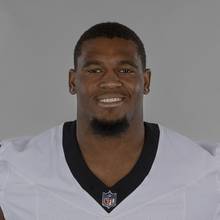 Kelvin Banks Jr.70Grade
Banks started all 17 games as a rookie and pieced together a promising first season, especially considering the shaky left guard play and a passing environment with high true-dropback exposure due to New Orleans' low play-action rate. A quick-pass element helped offset some of that stress, but Banks still showed a starter-level foundation. He wins with a wide frame, big hands and good athletic ability, giving him enough range and surface area to match up against a diverse collection of rushers. His high outside-low inside hand carriage and willingness to double-under against power helped him create early contact, and his inside hand became more reliable against inside moves as the year progressed. Anchor consistency and counter discipline proved to be limiting factors. Banks can be compressed by speed-to-power, and he will take the bait against inside-out counters, stopping his feet, dropping his outside foot and striking down the middle of rushers. In the run game, he showed useful movement ability to intersect targets in space, though his play-strength is still more functional than forceful. Banks is not a finished product. However, his durability, physical tools and in-season growth point toward a solid young starter with room to climb.
17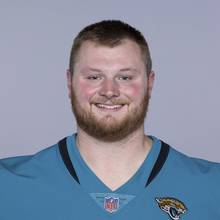 Cole Van Lanen72Grade
Van Lanen started 10 games in 2025 across right guard, right tackle and left tackle, largely due to injuries among Jacksonville's front five. He opened Week 13 at right guard before Walker Little exited with a concussion, then held down the left tackle job for the rest of the season. Van Lanen is a crafty, efficient blocker with a firm understanding of play's intent, spacing, timing and positional leverage. His quick processing and refined hand usage allow him to create early leverage, stay square and avoid being caught out of position. That helps mitigate a sawed-off, undersized frame that can get knocked back by high-end power and leave him stranded against counters. He is not a physically imposing blocker, but his technique, awareness and four-position flexibility give him a relatively high floor as a solid starter at four of the five positions.
16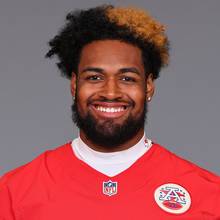 Josh Simmons73Grade
Simmons started eight games as a rookie in 2025, missing Weeks 6-9 for personal reasons and Weeks 14-18 with a dislocated elbow, but his limited sample showed real left tackle promise. Simmons was tested by high-end rushers such as Nik Bonitto and Josh Hines-Allen and flashed the premium movement profile that made him a first-round prospect, though his pass-protection consistency remained a work in progress. He's still raw with only the details of footwork, hand placement and strike-timing, which puts him in too many compromised positions. Those moments also highlight his rare ability to recover, mirror and protect space on an island. Simmons has top-tier athletic ability, fluidity and range in pass protection, with the movement skills to become a weapon on climbs, screens and space blocks in the run game. He also has enough raw strength to command the point of attack when his upper and lower halves are synced. The gap between his traits and skill set remains clear, especially with his hands, but his rookie tape showed enough high-end flashes to project an ascending starter whose athletic ceiling is among the league's best.
15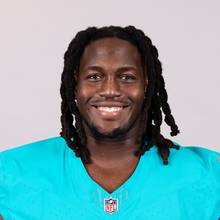 Patrick Paul74Grade
Paul completed his second season and first as a full-time starter in 2025, showing promising results inside the Dolphins' tackle-friendly passing environment. Miami's quick-game structure, Tua Tagovailoa's league-fastest time to throw and a top-five play-action rate helped reduce Paul's exposure. Still, his physical tools translated. Paul's exceptional length gives him a trump-card trait in pass protection, allowing him to widen rush paths, expand his edges and cover up some of the issues created by his high-cut frame. He can step underneath himself on redirects and lose balance against late movement, but his reach and grip strength allow him to latch, clamp and survive many reps. In the run game, Paul showed enough burst and range to intersect targets on climbs and lead blocks, with the play-strength and demeanor to overrun defenders once attached. He can still dip his head or get crossed up by movement across his face, but those issues became less frequent as the season progressed. With a new coaching staff and quarterback situation, Paul's 2026 projection carries some volatility. Even so, his length, play-strength and growing confidence provide a reasonable starter floor.
14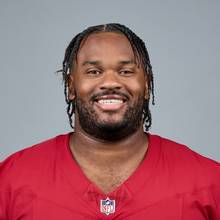 Paris Johnson Jr.74Grade
Johnson started 12 games in 2025 before a Week 14 MCL sprain ended his season, operating in a difficult environment that included backup quarterback play for much of the year, below-average offensive line play around him and one of the league's more pass-heavy structures. Since moving from right tackle as a rookie to the left side in 2024, Johnson has settled in as a solid, ascending starter, even if the larger leap expected from his traits became harder to fully realize in that context. His game is built on movement skills, elite length and the ability to cast a wide net in pass protection, allowing him to establish first meaningful contact and stay centered against speed-oriented rushers. Johnson has the range to protect on an island and the recovery athleticism to survive when rushers force him off his initial track. His play-strength and anchor are solid enough to function, but they are not yet imposing traits. He can be compressed by quality speed-to-power, and his run-game impact is more effective on the move than in tight quarters, where angle-drive and base blocks can stall out quickly. Johnson is at his best in space and zone concepts, where he can intersect, latch and overrun smaller targets on the front and backside. He is not a fully hardened left tackle yet, but the length, movement skill and two-year progression on the blindside still point toward a useful starter with more growth potential.
13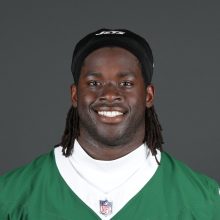 Olu Fashanu76Grade
Fashanu completed his second season and first as a full-time starter in 2025, settling in as an above-average left tackle with clear pass-protection value. His best work comes from urgency, length and hand-timing. Fashanu reaches his landmarks on schedule, uses a high-low hand carriage and double-under technique to establish quick leverage. He can also drop a firm anchor once he connects through the rusher's frame. Early in the season, wide alignments and speed threats could manipulate him, exposing some lower-body stiffness and causing him to drift or open his hips too soon. Those areas improved as the year progressed, with Fashanu playing with better set discipline, narrowing the runway for rushers and reducing the amount of recovery required. His run-blocking is solid but not a major separator. He is effective on backside cutoffs and overtakes, but late redirect demands across his face can expose some rigidity on base blocks and second-level fits. Fashanu's profile is not high-end yet, but the combination of pass-protection tools, anchor and second-year growth give him a stable starter foundation with room to climb.
12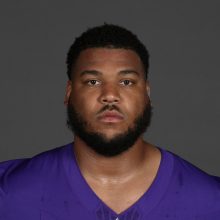 Christian Darrisaw76Grade
Darrisaw started 10 games in 2025 and exited four of them early, while continuing to work through lingering effects from the torn ACL/MCL he suffered in October of 2024. On the field, he still showed much of the profile that made him one of the league's better young left tackles: a sturdy frame, heavy hands, firm anchor and the power to create movement in the run game. Darrisaw remains physically difficult for rushers to play through, and his size, explosiveness and contact strength give him a high floor when healthy. The concern is what showed up late in reps, where his redirect and recovery skills looked slightly diminished against rushers who could string moves together or force him to change direction after the initial phase. His hand-timing and corner protection still need to be cleaner, especially given the thinner movement margin post-injury. Darrisaw will only be 27 during the 2026 season and still has one of the league's better physical profiles at left tackle, but his durability and movement rebound have become the variables that separate him from the higher tier he was tracking toward before the knee injury.
11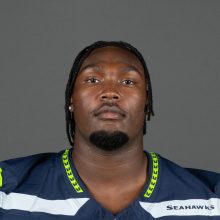 Charles Cross76Grade
Cross put together the cleanest season of his four-year career in 2025, benefiting from a strong schematic fit inside Klint Kubiak's run-first, zone- and play-action-oriented system. Cross has always been more athletic than a size-and-strength tackle, and Seattle's structure aligned well with that profile by reducing true dropback exposure and giving him cleaner angles in the run game. In pass protection, Cross is a loose, fluid mover with the length and foot quickness to stay square and protect width. However, his lighter frame can still be compressed by high-end power-rushers. That vulnerability was better managed in 2025 through a lower pass-block volume, heavy play-action usage and more proactive strike-timing that helped him protect his frame, play long and shorten the runway for rushers. In the run game, Cross brings more grit and finish than his build suggests, with the movement skills to stay attached, strain and cover space in zone concepts. His career-best season was real, but it was also aided by a system that emphasized his athleticism while reducing exposure to his anchor limitations.
10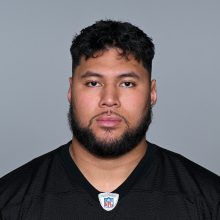 Troy Fautanu80Grade
Fautanu moved from left to right tackle as a rookie before a post-Week 1 knee injury ended his season, then returned in 2025 to start all 17 games, while establishing himself as one of the league's better young tackles. Fautanu is an explosive, aggressive blocker with good length, high-end movement skills and one of the league's best snatch-trap techniques, allowing him to steal leverage and knock rushers off their feet when they lean into him or are lazy with their hands. His attacking style creates some volatility, because he will take risks with heavy-handed strikes and early commitments. That same temperament is central to his impact. In pass protection, his quickness, recovery ability and strike-power keep him competitive even when timing is not perfect. In the run game, he is effective on both the front and backside, with the range to reach landmarks and the play personality to finish once attached. This fall, Fautanu is expected to move back to left tackle and accommodate first-round pick Max Iheanachor. His background on the blind side makes it reasonable to project a similar level of play. Regardless of side, Fautanu's explosiveness, leverage-stealing tools and competitive urgency make him difficult for defenders to attack with clean, repeatable plans.
9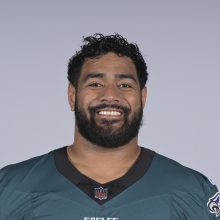 Jordan Mailata81Grade
Mailata remained a very good left tackle in 2025, but his play dipped slightly compared to his career-best '24 performance. Some of the downturn was tied to the Eagles' left side losing a bit of its usual force with Landon Dickerson playing through injuries. Mailata remains a rare mover at 6'8" and 360-plus pounds, with the mass, range and force to cave edges, displace the front side and cover space in Philadelphia's run-heavy structure. In pass protection, his size and improved patience allow him to engulf rushers when he stays square and gets his hands fit. Conversely, his low hand-carriage created more issues in 2025. Late hands exposed his chest, invited pocket compression and made it harder for him to control rushers before they built force through his frame. He can still be stressed by inside counters and late redirects, but his size, movement skill and play-strength give him a wide survival margin. Mailata remains a high-quality starter with rare run-game impact, though the pass-protection hand timing and slight year-over-year dip prevent him from joining the upper-tackle tier.
8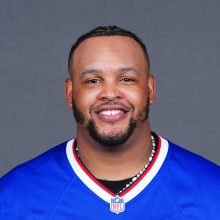 Dion Dawkins83Grade
Dawkins remains one of the league's more difficult left tackles to solve, because his pass-protection profile is both physically imposing and structurally uncommon. He has rare mass, excellent length and quick enough feet to survive on an island, but the separator is how he uses those tools to control the terms of the rush. Dawkins aligns with unusually wide splits that create space, isolate rushers and allow him to dictate the timing of first meaningful contact. Once latched, his grip strength and body control make reps difficult to restart. His snatch-trap package—the "Ice Pick," as he calls it—is one of the league's best answers against long-arm rushes, allowing him to protect his frame, punish forward lean and end reps quickly. Dawkins also brings clear run-game value as a mover, where his range, play-strength and finishing temperament show up as a puller and lead blocker. His game is not conventional, but it is refined and highly functional. He wins by expanding the edge, forcing rushers into predictable angles and closing reps with power.
7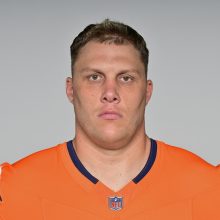 Garett Bolles84Grade
Bolles delivered the most consistent season of his career in 2025, starting every game for the third straight year and materially raising his pass-protection profile to one of the league's better blindside protectors. Bolles has always had the athletic ability, urgency and finishing temperament, but the current difference is the level of control in his hands and set mechanics. He routinely wins early with a high-low hand approach that captures the rusher's frame, protects his inside shoulder and forces speed-rushes to widen beyond the corner. His inside-hand strike remains a weapon for disrupting timing, but he is no longer as dependent on isolated flashes of aggression to survive. Bolles still benefits from Denver's offensive line-friendly structure under Sean Payton, but the improvement is real, as seen through cleaner leverage, fewer self-inflicted short corners and more consistent answers against counters. He is not an overpowering run-blocker, but his movement skills, competitive toughness and improved hand placement give him value across concepts. The result is a high-end left tackle whose game has aged into more precision without losing its edge.
6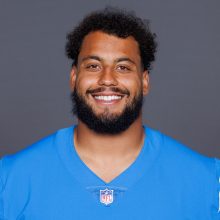 Rashawn Slater86Grade
Slater missed the entire 2025 season after suffering a torn patellar tendon last August, making his NFL1000 placement more projection-based than most tackles in this tier. Before the injury, Slater had already established himself as one of the league's premier left tackles, with a multi-year profile built on rare leverage, core strength, recovery athleticism and high-end pass-protection performance against top rushers. His compact build gives him natural access to leverage, and his anchor remains one of the cleanest in football because he can absorb force without losing posture or widening his base into recovery mode. Slater's best reps come from his ability to stay square, match speed, recover from late stress and keep rushers from accessing his chest cleanly. He is also a quality run-blocker with enough movement skill and play-strength to execute across concepts, though his value is still driven primarily by pass protection. The injury creates real return-to-form risk, especially for a player whose game relies on lower-body explosiveness and recovery range. At 27 years old and coming off multiple elite-caliber seasons prior to last year, Slater still projects as a high-end blindside protector if his movement profile returns anywhere close to baseline.
5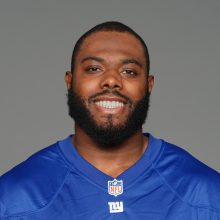 Andrew Thomas87Grade
Thomas remains a top-shelf left tackle when available. At the same time, availability has become the defining tension with his evaluation. After missing significant time in 2023 and '24, Thomas opened the '25 campaign still working his way back from the Lisfranc injury that ended his previous season, missing the first two games before returning in Week 3. He played at a familiar high-end level before another hamstring injury occurred in Week 15 and interrupted yet another season. On the field, Thomas' pass-protection profile is built on massive size, smooth footwork, patient tempo, clean weight distribution and active hands that allow him to beat rushers to landmarks without overextending. He can establish first meaningful contact, stay square through counters and anchor with enough strength to end reps once latched. Thomas is also a quality run-blocker with the power to displace at the point of attack and enough range to cover space through angles and climbs. His accumulating injury history is the only reason he is not treated as a truly elite tackle.
4 Penei Sewell90Grade
Sewell enters 2026 with expectations of moving back to his collegiate home at left tackle after five seasons as one of the league's premier right tackles. The projection requires some side-switching caution, but Sewell has the rare physical profile, prior left-side background and functional technical foundation to make the transition without changing the core evaluation. His '25 film again showed one of football's most dominant run-blocking profiles, built on elite explosive power, rare movement skill at 335 pounds and the ability to create offense as a featured piece rather than a static edge blocker. Sewell can displace at the point of attack, erase targets in space and generate force from angles most tackles cannot access. His pass protection is high-level but less airtight than his run-blocking. Sewell has an elite anchor, rare mass and outstanding recovery strength, allowing him to absorb power and stabilize the pocket when his set discipline holds. The vulnerable moments come when top rushers lure him out of position, stress his timing and access his edges before he can re-center. That keeps him below the cleanest pass-protecting tackles, but the overall package remains elite. If the left-side transition follows anything close to the Tristan Wirfs' path, Sewell has the traits to remain a top-tier tackle while offering one of the league's most forceful run-game presences at the position.
3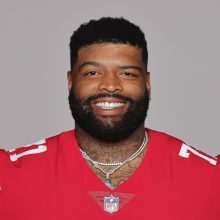 Trent Williams92Grade
Williams remained one of the league's defining offensive linemen in 2025, playing 1,075 snaps—his most since arriving in San Francisco—while still performing at an elite overall level at an age where most tackles are long removed from starting-caliber play or even retired. The pass-protection profile showed more volatility than during his peak years, with a few more clean losses and moments where rushers could set him up and slip across his face. Even so, Williams remained a high-end protector capable of handling top competition on an island. His run-game value continues to be unmatched, too. Williams remains the league's best run-blocking tackle because of his rare blend of size, explosiveness, range and power, allowing him to erase targets on the move, command the point of attack and seal the backside with his signature snatch technique. He is no longer quite as airtight in protection as he was at his apex, but his physical tools, play-strength and run-blocking dominance still make him one of football's most valuable tackles.
2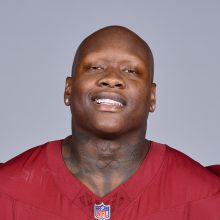 Laremy Tunsil94Grade
Laremy Tunsil delivered arguably the best season of his career during his first with the Washington Commanders, rebounding from a penalty-heavy 2024 campaign to once again play at an All-Pro level. He was a difference-making presence and performed like the league's premier pass-protecting left tackle, with statement games against top rushers such as Micah Parsons and Nik Bonitto. Tunsil's protection profile is built on exceptional foot quickness, balance and positional leverage. He reaches his spot with square posture, restricts the rusher's pathway before contact and then latches with elite strike-timing and hand placement. His ability to stay calm, connected and efficient in true one-on-one situations makes him one of the game's cleanest island protectors. Tunsil also produced the best run-blocking season of his career, using his movement skills to intersect targets on climbs, screens and lead concepts while showing more strain, sustain and finishing temperament than in prior seasons. After re-signing with Washington and becoming the first offensive lineman to cross the $30 million-per-year threshold, Tunsil's 2025 play matched the price thanks to elite pass protection, improved run-game impact and high-end value at the sport's premium offensive line position.
1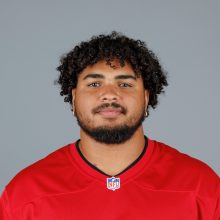 Tristan Wirfs94Grade
Wirfs' 2025 season came with more availability turbulence than expected, beginning the campaign on PUP after July knee surgery and later missing additional time with oblique and toe injuries. However, the on-field product remained elite across 12 starts. Wirfs has fully completed the transition from perennial All-Pro right tackle to premier left tackle, and his film now carries the same rare certainty on either side. His pass-protection profile is built on patience, balance, elite core-strength and hand placement that consistently protects both edges without creating soft access to his frame. Rushers are often forced to play through him, which is a losing proposition given his anchor, body control and ability to absorb force without conceding the pocket. Wirfs is also one of the league's best run-blocking tackles, pairing rare movement skill with overwhelming play-strength to displace at the point of attack, sustain through contact and cover space without losing control. The durability interruptions slightly complicate the season snapshot, but they do not change the broader evaluation: Wirfs is an elite, complete tackle in his prime with one of the game's highest floors.