 The top experienced left guards in pro football, graded and ranked by the B/R Scouting Department. Rookies to be graded separately.Player photos: AP Images
34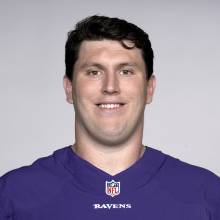 Andrew Vorhees53Grade
Vorhees is a sawed-off, hard-nosed blocker whose best work comes in tight quarters, especially when he can close space early, fit his hands and strain through contact. He can eliminate rushers' runway with jump sets and create quick leverage when he lands first, while showing enough awareness to find work and cover up adjacent rushers when uncovered. The limitations are physical and persistent. Vorhees lacks the athletic ability to consistently redirect, sustain or re-leverage defenders once reps extend, leaving him overextended late and vulnerable when defenders work off his frame. In pass protection, he can survive when he wins early, but isolated reps expose his lack of range, recovery skill and margin for error. His toughness, short-area leverage and awareness give him some interior depth value, but the current profile is closer to a backup guard than a dependable starter.
33 Trevor Penning54Grade
Penning converted from tackle to guard in 2025, starting six games for the New Orleans Saints before being traded to the Chargers and starting four more to close out the season. A 2022 first-round pick, Penning still has not found consistent footing with his footwork, timing or hand usage, and the move inside did not eliminate those issues. He remains a rare finisher when his landmarks and leverage align, with the raw power and demeanor to impose his will, bury defenders and create highlight-level movement in the run game. The problem is that those flashes are surrounded by too much volatility. His pass protection remains subpar because unreliable technique too often diminishes his size and power, leaving him late to contact, off balance or unable to consistently control rushers. Penning can provide emergency value because of his experience at tackle and guard, but his current profile is closer to a backup/swing option with rare finishing flashes than a dependable starter.
32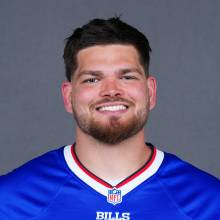 Alec Anderson58Grade
Anderson has six official starts during his first two seasons, though three came as a sixth offensive lineman, with additional work at left guard, right tackle and center. He enters 2026 slated to compete with Austin Corbett for Buffalo's left guard job. Anderson is a scrappy blocker with excellent competitive toughness, good grip strength and a knack for finding ways to finish in the run game through latch strength, leg drive and strain. His active hands help him create leverage and stay attached, but the projection is clouded by limited exposure, especially in pass protection, where he has only a few dozen meaningful true dropback reps at guard. Anderson has enough size, toughness and hand strength to contribute. Until he gets extended snaps, his best usage remains as a versatile interior backup with low-end starter upside.
31 Alex Palczewski58Grade
Palczewski has taken a notable path from 64-game starter at Illinois to undrafted free agent to useful Broncos reserve, filling in at multiple spots over the last two seasons, including 10 starts at left guard in 2025. Palczewski is densely built with efficient footwork and good hand usage, doing a nice job staying inside-out and centered through contact to latch, steer and play firm. His lower-half stiffness and robotic style cap his recovery range, leaving him late to redirect when defenders access his edges or bypass his initial punch. He is not overly dynamic or powerful, but the technique, toughness and positional flexibility give him functional depth value. His 2025 tape had shades of a poor man's David Edwards, in that he wins similarly with density, efficient feet, hand usage and centered contact, making him a useful developmental reserve.
30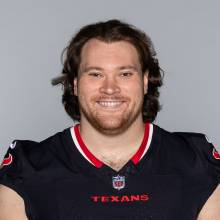 Evan Brown60Grade
Brown started 11 games at left guard for the Arizona Cardinals, while working through lower-body injuries and taking a personal absence. Brown has now started at least 11 games in each of the last five seasons across left guard, center and right guard. He is a squatty blocker with good natural leverage, quickness and enough play-strength to work inside defenders and create initial displacement in the zone run game, while also offering value as a puller in gap concepts. His lack of mass and mediocre length create soft, accessible edges when isolated in pass protection, but his clear eyes and burst allow him to provide timely, firm help when uncovered. Brown's run-game utility, versatility and experience make him a valuable sixth lineman.
29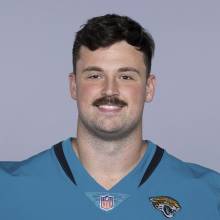 Ezra Cleveland61Grade
Cleveland played his best football since arriving in Jacksonville, including 16 starts in 2025. Even so, his profile remains volatile. Cleveland has become more controlled than he was earlier in his career—taking fewer chances and staying centered more often—yet his upright posture, erratic balance and shaky body control still create problems. Shifty defenders can evade his initial punch, leaving him flat-footed, late with his hands or overextended in recovery. He does have useful power when uncovered, where he can cave adjacent rushers and hold up in tight quarters, but the down-to-down consistency remains uneven. Cleveland's improved control gives him functional starter value, but the boom-or-bust element keeps him firmly in the below-average starter tier.
28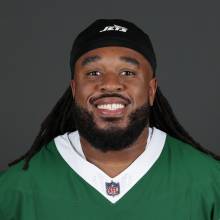 Dylan Parham61Grade
Parham has been a durable, position-flexible interior lineman through his first four seasons, missing only five games while splitting most of his work between both guard spots. He is a narrow-framed blocker with natural leverage and enough pop through his hands and hips to create movement when he lands cleanly. That force also shows up when he is uncovered in pass protection, where he can help reset space and clear the pocket with timely contact. However, his profile keeps him inconsistent once reps extend. Parham does not consistently sustain or steer through contact, and his softer edges in pass protection leave him vulnerable when isolated against rushers who can cross his face, stress his anchor or force him into late recovery. His movement skills and play-strength are functional, but neither trait is strong enough to consistently erase those issues. Parham's durability, guard flexibility and flashes of leverage-based power give him roster value, but his current profile fits better as a quality interior backup or short-term starter than a dependable every-down solution.
27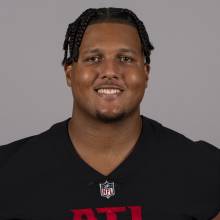 Matthew Bergeron61Grade
Bergeron started 15 games in 2025 while dealing with a midseason ankle injury. His third-year profile remained fairly stagnant, too. Bergeron is a densely built, wide-bodied blocker with solid length, good upper-body strength and heavy hands that create jolt when his timing and placement sync. However, his upright posture, choppy redirect skills and erratic hands routinely sap his leverage, soften his inside shoulder and leave him late to recover. In the run game, he remains an imposing straight-line presence with power on his track, but his body control and sustain are inconsistent against movement. Bergeron still flashes starter traits. Even so, the technical stagnation leaves him as a below-average starter whose best projection remains inside a run-first, play-action-heavy structure that lets him play downhill.
26 Dillon Radunz62Grade
Radunz stabilized over the last two seasons after struggling to find a technical baseline earlier in his career. He started 10 games for New Orleans in 2025, missing six with a toe injury, but played solid football when available and earned a new two-year deal as the Saints' primary interior backup. Radunz is a lean and long guard with good movement skills and a high-low hand carriage/strike package that helps him frame rushers, create lift and make his anchor passable rather than a liability. However, he can still chase setup moves, drift and fall into recovery mode too often when isolated. In the run game, Radunz is fluid climbing and quick enough to get into initial fits on time, but his lack of mass and below-average play-strength cap his ability to finish. He profiles as a useful spot starter/interior reserve.
25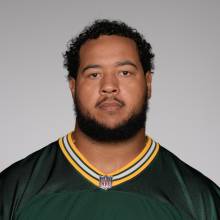 Aaron Banks62Grade
Banks remained a functional interior option in 2025. He brings size, heavy hands and a physical demeanor to Green Bay's left guard spot. He's at his best when he can use his frame to cover up defenders, wall off angles and look for work when uncovered, where he will uncork on adjacent rushers to help keep the pocket clean. In the run game, Banks has enough initial quickness and power to get to his spots on time, fit into defenders and generate functional movement, especially on zone concepts and second-level wall-offs. An upright playing style and mediocre recovery skills leave him vulnerable once reps extend. He can get out-leveraged, slipped cleanly or lose balance when defenders force him to redirect or sustain late through contact. In pass protection, Banks can survive with size and awareness, but he does not consistently anchor, mirror or recover well enough to be viewed as a stable every-week answer. His frame, toughness and uncovered value give him functional starter ability, but the body-control and sustain limitations keep him closer to the low-end tier.
24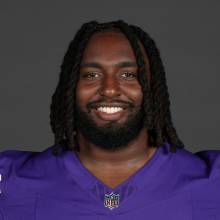 Donovan Jackson62Grade
Jackson started 14 games as a rookie while battling through a wrist injury that eventually required surgery. Jackson wins with a wide-bodied, dense build, good play-strength and firm hands, giving him a sturdy presence in the run and pass game when defenders work down the middle of his frame. His anchor is stout when he can center up rushers, but his robotic play-style and lateral stiffness create issues when his feet get stuck or he is forced to redirect against rushers who can string together moves. He was also a tick late sorting out loopers. In the run game, Jackson can surge off the ball, cover up and wall off down linemen. However, he is stiffer at the second level against movement across his face. Minnesota's run-heavy shift over the second half of the 2025 season helped limit his protection exposure and accentuate his strengths, inviting variance in a more balanced offensive structure.
23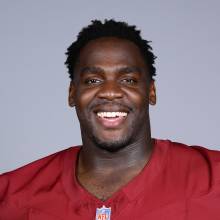 Chris Paul63Grade
Paul emerged during his fourth NFL season and first as a full-time starter, taking over Washington's left guard job in Week 3 and providing a sturdier interior presence. Paul is a square, heavy-handed blocker with good length and enough play-strength to jolt defenders, create movement and anchor when he lands first meaningful contact. His physicality gives him real value in pass protection and flashes of displacement in the run game, but the profile remains uneven. Paul is high-cut with below-average redirect skills, creating a boom-or-bust element when he's isolated, forced to mirror or asked to regain position after his hands miss the target. His processing is also still developing against simulated pressures, late loopers and exotic pressure looks, where delayed recognition can leave him chasing rather than bracing. Paul's 2025 tape showed enough strength and functional starter traits to make him an intriguing ascending guard, but the movement limitations and inconsistent recovery skills keep him closer to the low-end starter tier than a fully stable interior answer.
22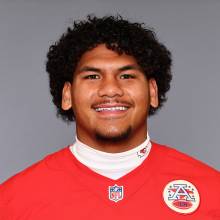 Kingsley Suamataia63Grade
Suamataia started every game in 2025 during his first full season as a guard, flashing above-average physical traits while still working through persistent technical issues. Suamataia brings very good size, square power and movement skills, giving him the ability to root down, uncork and command the point of attack in both phases when his timing is right. Consistency remains a problem. In pass protection, he still drops his outside foot and opens the door early against the threat of speed, while erratic hands that land late or down the middle lead to shaky positional leverage and inconsistent anchoring against moderately skilled rushers. In the run game, he can play high on backside cutoffs, creating quick stalemates or getting flattened out. Suamataia turned 23 in January, while still learning the guard position, leaving real upside if his technique eventually catches up to his physical tools.
21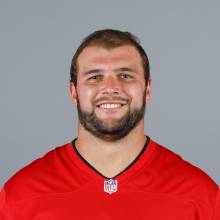 Ben Bredeson64Grade
Bredeson entered the 2025 campaign after the best season of his career but injuries interrupted his follow-up performance. He started 11 games before a Week 10 shoulder injury cost him time and a Week 14 knee issue ended his season. Bredeson is a tall, angular guard with solid athletic ability, competitive toughness and efficient hands/feet that help compensate for underwhelming mass and length. He can play with leverage when centered, win most initial hand battles and rarely lose cleanly in protection. His build and average anchor do shrink his margin for error when manipulated out of position, leaving him vulnerable to compression, picks and being knocked off levels against penetrators. In the run game, Bredeson is efficient and assignment-sound more than forceful, fitting best as a functional starter benefiting from surrounding talent and continuity.
20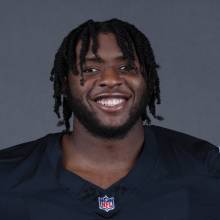 Spencer Burford65Grade
Burford started nine games in 2025 sandwiched around a six-game absence due to a knee injury, putting enough functional tape together to enter training camp as a potential starter for the Raiders. Burford is still a little light with a below-average anchor, and his erratic processing can leave him a tick late sorting games, stunts and late movement. However, he has excellent length, solid strike-timing and enough hand pop to establish first meaningful contact, disrupt rushers' timing and stay square in his sets to minimize clean edge losses. His marginal play-strength can still lead to compression against power, but improved snap-timing helped him cover up and seal targets on backside cutoffs while adding pop in the post on combination blocks. A reunion with Klint Kubiak, after a year together with the San Francisco 49ers, gives Burford a favorable runway to compete for a starting job, while maximizing his strengths in an offensive line-friendly structure.
19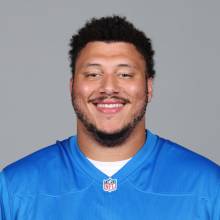 Christian Mahogany65Grade
Mahogany started 11 games before a fractured fibula sidelined him for six weeks. His game is built on force, demeanor and a power-oriented approach that shows up most clearly at the point of attack. Mahogany brings very good thump and knockback power on initial contact, feeds and uncovered work, giving him the ability to jolt defenders and create movement when his aiming points are clean. A tradeoff exists since his style can be rigid and overly aggressive, leading to overextension against slippery defenders, late movement and quick redirects across his face. In pass protection, a similar lack of control shows up when rushers make him adjust after initial contact or force him to reset his hands and base. Mahogany is still more "aim big, miss big" than refined starter, but his natural power, finishing demeanor and flashes of displacement give him enough traits to warrant continued runway if his technique eventually evolves.
18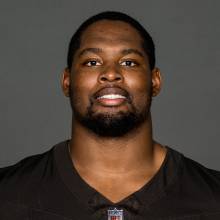 Zion Johnson66Grade
Johnson has been durable throughout his first four seasons, but his level of performance has not consistently matched the physical profile that made him a 2022 first-round pick. Johnson looks the part with a sturdy frame, good play-strength and enough athletic ability to function across concepts. However, inconsistent technique has kept him closer to the functional-starter tier than the high-end guard group. His best stretches in 2025 came late in the season, when his footwork and hand placement improved enough for him to line up targets more cleanly, create better displacement in the run game and play with firmer strikes in pass protection. Sustainability is the issue. Johnson still gets caught with uneven eye discipline, inconsistent leverage and shaky base integrity, leaving him late to recover when rushers force him to redirect or counter. His hands are not reliable enough to consistently maximize his frame, and his finish quality can fade when defenders survive initial contact. The 26-year-old's durability, physical tools and age still give him viable starting value, but he remains more projection than certainty as he enters a new environment in Cleveland.
17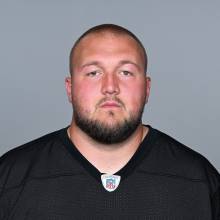 Mason McCormick67Grade
McCormick started all 17 games with just one penalty, providing Pittsburgh with steady, assignment-sound play at right guard in just his second season. He is not an overwhelming physical talent, but his active hands, quick refits and excellent strain allow him to stay attached, die slowly when initially beaten and prevent clean sheds. McCormick displays enough play-strength and movement ability to function across concepts, while his leverage, toughness and hand activity make him more difficult to discard than his raw traits suggest. The limitations show up against wider interior alignments and quick movement, where he can drift, redirect late or be a tick slow to pick up loopers. McCormick is a classic greater-than-the-sum-of-his-parts starter whose technique, effort and consistency make him a net positive despite a capped ceiling.
16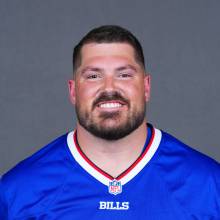 Austin Corbett68Grade
Corbett has battled injuries over the last few seasons, but he still managed 11 starts in 2025 before signing with the Bills as a free agent. Corbett is a crafty, sturdy blocker who plays on time in the zone run game, understands the intent of concepts and does a good job sorting movement, fitting square and steering defenders away from the ball. His somewhat narrow frame and mediocre arm length shrink his margin for error with positioning and hand usage, leaving him with below-average recovery skills when defenders cross his face or knock him off schedule. Even so, he generally plays within himself, limits risk-taking and has enough anchor to avoid getting walked back consistently. Corbett profiles as a steady, unspectacular starter with valuable interior versatility.
15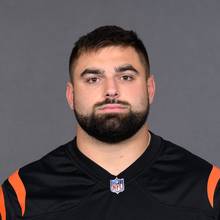 Dylan Fairchild70Grade
Fairchild started 15 games as a rookie and steadily settled in, while flashing high-end power, athletic ability and recovery skill as the season progressed. His tape was expectedly unrefined, with uneven footwork in pass protection that left him flat-footed or out of position against counters from multiple alignments. But a rare trait emerged with how efficiently he could absorb and deliver force, then regain leverage from compromised positions. In the run game, Fairchild's play-strength and movement skills gave him clear impact flashes, even while his hands and aiming points still needed refinement. His down-to-down polish must catch up, but the upward trajectory and physical tools give him one of the higher ceilings among the league's young guards.
14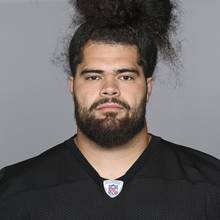 Isaac Seumalo71Grade
Seumalo remained his usual steady self in 2025, providing veteran reliability through play speed, balance and a refined understanding of space. He is not an overwhelming guard in terms of size, length, raw power or explosiveness, but he consistently operates on time and in the proper position. Seumalo wins with quick diagnosis, efficient footwork and well-timed hands, allowing him to sort line games, pass off movement and use positional leverage to stay between rushers and the quarterback. His anchor is more survival-based than forceful against bigger power players, but he dies slowly, keeps his frame square and rarely turns manageable losses into immediate failures. In the run game, he is a sound positional blocker who can fit, steer and work combinations with timing, even if he no longer creates much displacement on his own. Entering his first season in Arizona, Seumalo should bring reliable starter-level play and legitimate stabilizing value to a young offensive line, with his intelligence and consistency carrying more weight than the raw traits profile.
13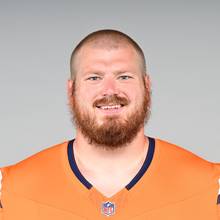 Ben Powers71Grade
Powers missed nine games in 2025 after suffering a torn biceps in Week 5. When available he played near his established baseline as a skilled, steady starting guard. Powers wins with very good hand usage, timing and strain, creating quick leverage before staying attached and steering defenders away from the ball. His hands and discipline also keep him from losing cleanly often in pass protection. The limitations are more physical than mental or technical. Powers is not an explosive mover, and his good-not-great play-strength can lead to getting jolted back at the point of attack before re-leveraging to recover balance. He will also strike with two hands against tighter alignments, opening him up to quick losses across his face. Powers remains a reliable, craft-driven starter when healthy, though the injury and average physical tools cap the ceiling.
12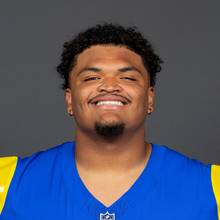 Steve Avila71Grade
Avila started 13 games in 2025 after missing two early-season games with an ankle sprain, following a 2024 season that was also interrupted by an MCL injury. When available, Avila remained a powerful, physically imposing left guard with the size and play-strength to generate movement in the run game and anchor against power in pass protection. At 6'4" and 340 pounds, he can cover up defenders, displace at the point of attack and create force through contact when his pads and hands arrive on time. His pass protection is more strength-based than refined, relying on mass, anchor and body positioning to absorb rushers rather than high-end hand usage or recovery skill. The limitations show up when quicker defenders force him to redirect, mirror late movement or win the hand fight before he can establish control. Avila's movement skills are adequate for his size, but not a consistent plus, which caps his range and second-effort recovery. His best football still gives the Rams a sturdy, physical interior presence, but the injuries and middling agility keep him in the solid-starter tier rather than the high-end guard group.
11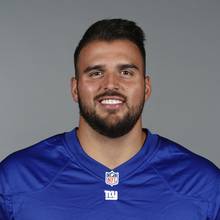 Jon Runyan Jr.73Grade
Runyan pieced together arguably the best season of his career in 2025, starting 16 games and playing like a solid, craft-driven veteran. Runyan wins with good play-speed, excellent hands and leverage skills that help offset mediocre mass and sand. His anchor can still crack against sudden spikes, picks and stutter-bulls that catch him flat-footed, but his hand usage, light feet and recovery ability allow him to stay in phase and die slowly when initially stressed. In the run game, Runyan works underneath and inside of targets to create quick leverage, steer on the first level and take precise angles on climbs to intersect linebackers. The six-year veteran is not an imposing finisher, but his timing, technique and recovery skills make him a dependable net positive.
10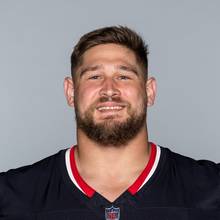 Wyatt Teller73Grade
Teller enters 2026 as a solid starting guard whose recent dip was real but somewhat overstated by a difficult offensive environment. Cleveland's heavier pass volume, unstable quarterback play and predictable structure over the last two seasons put more true dropback stress on Teller than earlier in his career, while knee and calf issues slightly reduced his recovery quickness. Teller remains a physically imposing interior presence, with the strength and movement ability to create displacement in the run game, particularly on pulls, angle-drive blocks and double-teams. In pass protection, his play tends to be more volatile. His hand placement can be late or erratic, which creates quick access when rushers beat him to first meaningful contact. However, his length, anchor and play-strength still allow him to match up with most interior defenders when he stays square. Teller is no longer the automatic top-tier guard he was at his peak. Even so, his power profile, functional movement and prior high-end play leave room for a rebound if the Texans' staff places him in a more balanced structure.
9 David Edwards75Grade
David Edwards continued his career rebound last season, giving the Buffalo Bills a sturdy, reliable presence before signing with the Saints. His game is built on functional power, balance and anchor strength. Edwards creates force through the ground, plays with a square base and uses a firm punch to strike, re-leverage and halt power-rushes before they collapse the pocket. In pass protection, he is not overly dynamic, but his timing, body control and play-strength allow him to stay composed against most interior rushers. The risk comes when he overcommits with heavy strikes against high-end quickness, leaving him vulnerable to being slipped before he can reset. In the run game, Edwards is more steady than explosive, with enough strength to cover up, fit and generate movement on angle-drive blocks and combinations. He does not have the twitch or recovery range of higher-ceiling guards, but his anchor, consistency and veteran reliability make him a dependable starter.
8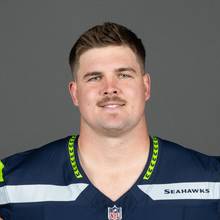 Grey Zabel75Grade
Zabel started all 17 regular-season games and three playoff matchups as a rookie on the Seahawks' Super Bowl-winning offensive line, immediately translating from the FCS level into a quality starter inside Klint Kubiak's run-heavy, play-action-oriented system. Zabel benefited from a friendly environment, but his own physical traits and impact blocks were obvious. He brings very good play-strength, athletic ability and a hard-nosed, attacking demeanor, with the power to displace at the point of attack and body control to deliver knockdowns at the first and second levels. In pass protection, he plays with an ultra-aggressive mindset, using flat and shoe sets with an active, stiff outside strike to bring the fight close to the line of scrimmage. The approach allows him to close space and end reps quickly. It also narrows his margin for error against skilled interior rushers who can manipulate his leverage or evade his initial clamp. When Zabel did lose reps, those losses tended to occur quickly because of the air left behind him and the limited variety in his pass-set menu. His rookie season showed high-end starter flashes but diversifying his approach and refining the aggressive tools are the next steps to elevating his game.
7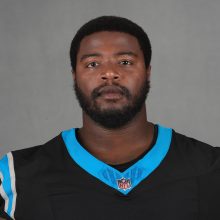 Damien Lewis76Grade
Lewis put together another solid season in 2025, continuing to provide Carolina with a stout, power-oriented presence at left guard. Lewis is a massive, heavy-handed blocker with the play-strength to create jolt on contact, generate movement in the run game and provide a firm anchor against power in pass protection. His best reps come when he can cover up defenders, sit down on the bull-rush or work square through contact in downhill and gap-adjacent concepts. He is not a high-end mover, and his range, redirect ability and late-rep recovery can be stressed when asked to operate in extended space or mirror quick lateral movement. Still, Lewis' size, anchor, contact power and down-by-down physicality give him clear, reliable ways to win. He is a sturdy starting guard whose value is rooted more in force, stability and protection against power than in athletic range or high-end technical versatility.
6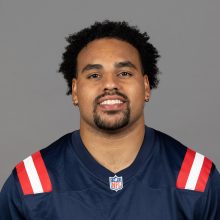 Alijah Vera-Tucker77Grade
Vera-Tucker missed the entire 2025 season after suffering a torn triceps in practice a week before the opener, adding another major injury to a career that has already included a torn triceps, an Achilles tear and repeated position changes. This evaluation is more projection-based than most guards, but AVT's healthy tape still points to a quality starter with high-end traits. He is an efficient, technically proficient blocker with the movement skills to reach landmarks, recover from compromised positions and stay connected through late movement. In pass protection, his balance, hand timing and ability to reset leverage give him answers against quickness and power, even if the missed season creates uncertainty about how fully those traits return. In the run game, he is more skilled and athletic than overpowering, winning with angles, timing and sustain rather than raw displacement. Vera-Tucker now moves to left guard in New England, his first extended work there since his rookie campaign, making health, positional stability and reacclimation the central variables. If his movement profile returns close to the previously established baseline, he still has top-10 guard ability. However, the injury history keeps his current grade in the good-starter tier rather than the high-end range that his talent suggests.
5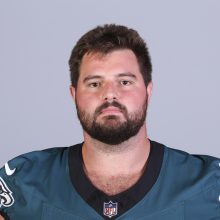 Landon Dickerson78Grade
Dickerson gutted out 16 starts last season despite undergoing August meniscus surgery, then playing through back and ankle issues that led to another offseason procedure and stem cell treatment as he worked to get healthy in 2026. The injuries clearly reduced his movement, recovery and finishing consistency. Even a diminished version of Dickerson remained a good starting left guard because of his rare size, square power and anchor strength. At his best, Dickerson is one of the league's most physically imposing guards, capable of commanding the point of attack, eating the bull-rush and creating displacement in the run game. In 2025, that power still showed up, but the lack of normal agility and redirect ability made it harder for him to stay attached, adjust late and finish with his usual force. His pass protection remained solid because rushers still had to work through his mass and anchor, but his margin narrowed when movement was required. Dickerson's grade reflects a slightly diminished, injury-compromised version of a normally high-end guard, with room to jump back up the hierarchy if his health returns closer to baseline.
4 Peter Skoronski84Grade
Skoronski continued his ascent in 2025 despite an unfavorable offensive ecosystem that included heavy pass volume, limited play-action support and inconsistent pocket management from a rookie quarterback. He did not miss a snap for the second consecutive season and emerged as one of the league's most refined young pass-protecting guards. Skoronski wins with efficient pass sets, precise hands, clean weight distribution and advanced leverage control, allowing him to create, refit and sustain positioning on rushers while playing longer than his measurements suggest. His feel when uncovered is also a plus, with the awareness and physicality to clear the pocket, dent adjacent rushers and pass off games with force. In the run game, Skoronski's leverage understanding translates into strong sustain, steer and finish skills, with enough movement ability to track and intersect targets on the move. His narrower, sawed-off frame can still create softer edges, and decisive loopers can test him on stunts before he regains control. Still, his recovery skill, hand precision and ability to die slowly minimize clean losses and point to a high-end guard whose game is still climbing.
3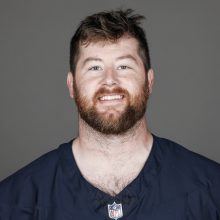 Joe Thuney86Grade
Thuney remained an elite-level starter during his first season in Chicago, bringing his usual technical mastery, week-to-week consistency and championship résumé into Ben Johnson's offensive line-friendly system. Thuney is undersized by guard standards in terms of mass and length, but he continues to win with pristine footwork, strike-timing, hand usage and leverage manipulation. In pass protection, he is one of the league's most refined interior blockers, using spacing, hand-fighting skill and processing speed to diagnose line games, pass off stunts and stay connected without overextending. Bigger rushers can still test him through the middle of his frame, but Thuney's balance, positioning and ability to die slowly prevent most reps from turning into clean losses. In the run game, he wins more with timing, leverage and fit accuracy than raw displacement, arriving on schedule, creating quick control and steering defenders to open lanes. His feel for the position and technical precision continue to mitigate a lack of ideal size and power, keeping him among the NFL's most reliable high-end guards.
2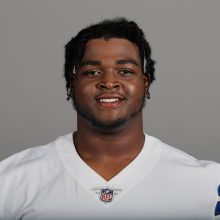 Tyler Smith88Grade
Smith produced another high-end season in 2025 despite kicking out to left tackle for the final three games. His game is built on elite, arresting play-strength, giving him the ability to latch, clench and end reps on command in a way few guards can match. Smith's anchor is one of football's best, and his ability to generate force through the ground allows him to absorb power, stop momentum and reset the terms of the rep quickly. He still has moments where he bites, drifts into oversets or lands his outside hand down the middle of rushers, creating quick edge access, but his movement skills and recovery strength usually prevent those losses from becoming routine problems. In the run game, Smith can uproot and displace down linemen at the point of attack, open lanes with raw force and deliver rare knockout blows on linebackers when climbing or releasing into space. Remaining refinement is necessary with his leverage maintenance and timing against slippery defenders, who can access his edges during the drive phase when he is late to re-leverage. Smith is not a fully pristine technician, but his power, anchor, recovery traits and impact-block ability keep him firmly in the top tier among guards.
1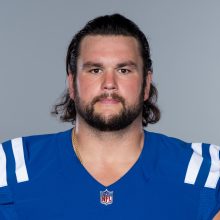 Quenton Nelson93Grade
Nelson pieced together another elite season in 2025, anchoring a Colts front that powered one of the league's best run games inside a play-action-heavy structure. Nelson remains the prototype at guard because of his rare combination of physical traits, processing speed, competitive toughness and positional mastery. In the run game, he is still a dominant force with the play-strength to displace, the movement skills to cover space and the finishing ability to erase targets at every level. His pass protection remains high-end as well. Nelson consistently wins with leverage, anticipation and elite processing, using his spacing and feel when uncovered to diagnose line games, pass off stunts and keep his body between the rusher and quarterback with minimal wasted motion. Occasional quick losses against high-end interior rushers happen, but they are exceptions within an otherwise complete profile. Despite his relentless demeanor and premier finishing skills, Nelson committed just two penalties in 2025, the lowest mark of his career. He remains a certified tier-one guard entering 2026.